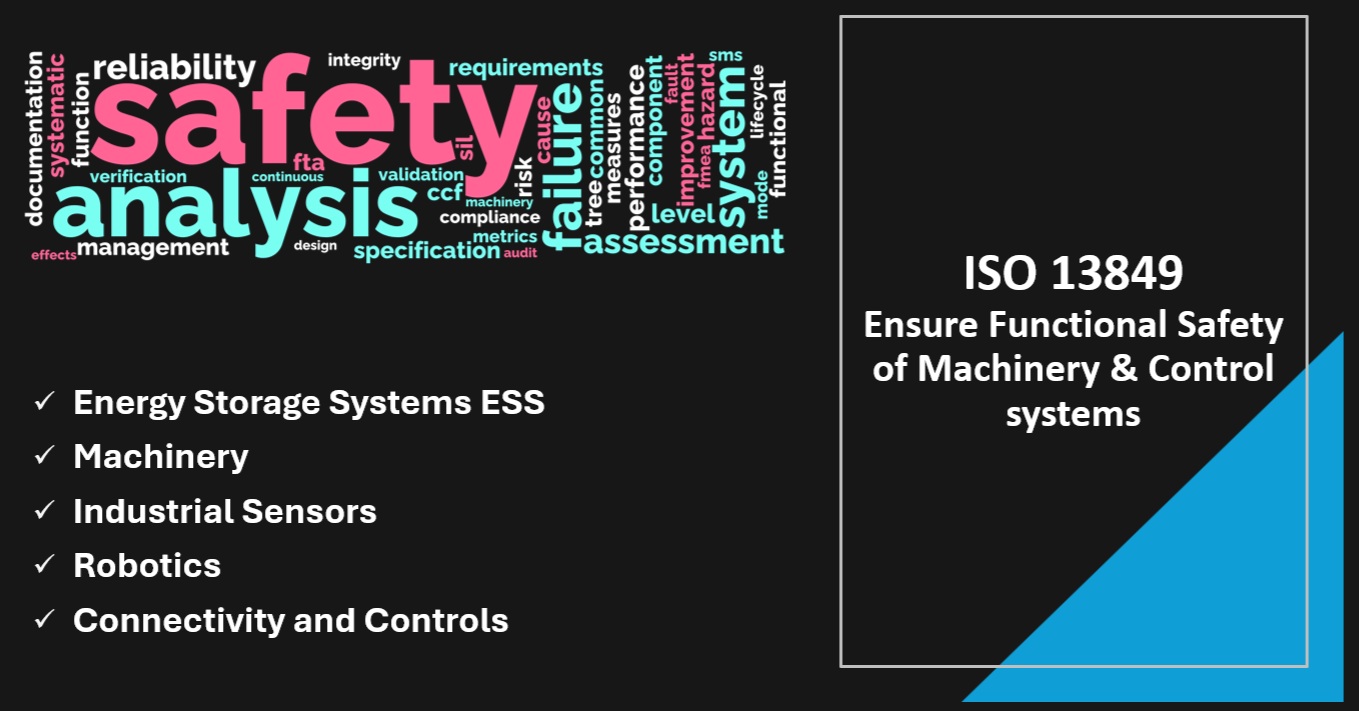
OEMs/Suppliers need to achieve compliance with legal and regulatory safety/security requirements, enhance system safety and security, improve market acceptance, provide competitive advantage and improve efficiency through standardization. ISO 13849 offers a systematic and state of the art approach to designing and assessing safety-related parts of control systems.
VerveTronics has developed ISO 13849 compliant safety certified Fail Operational systems up to SIL3/Ple, which are in production and field use for Major Global OEMs, Tier-1s across US, EU, India, Japan and Australia. Our motto of “Attention to details and focus on precision” has been a key driver to achieve product quality.
ISO 13849 Safety along with Security compliance/certifications was achieved with above par quality, cost effectiveness, lower time to market with help of our safety certified experts, engineers and managers, proven processes, development tool chain environment readiness, verification and validation expertise and setup, software/hardware safety techniques etc.
ISO 13849 Functional Safety Compliance Challenges
ISO 13849 is a globally recognized international state of art standard that focuses on the safety of machinery and the design of safety-related control systems. It provides guidelines for designing and integrating safety-related parts, ensuring that each component achieves functional safety. The standard applies to various technologies, including electrical, hydraulic, pneumatic, and mechanical, and covers the functional safety of each part within the control system, mitigating risks even in the event of failure. ISO 13849 provides a comprehensive approach to ensuring safety in machinery through well-defined processes, guidelines, and performance metrics, ultimately leading to safer work environments. ISO 13849 is applicable to a wide range of machinery and industries, including manufacturing, automation, and robotics, making it a critical standard for anyone involved in machinery safety
Achieving ISO 13849 compliance with the help of IEC 61508 can be complex, especially with machinery control systems that involve multiple technologies. Companies face challenges in performing accurate risk assessments, designing safety systems that meet performance levels, ,validating those systems to ensure they function correctly and implementing processes with stringent safety requirements. Failure to meet these safety standards can result in increased risks, operational failures, and safety incidents.
Why VerveTronics?
ISO 13849 Safety along with Security compliance/certifications was achieved by VerveTronics with above par quality, cost effectiveness, lower time to market with help of our safety certified experts, engineers and managers, proven processes, development tool chain environment readiness, verification and validation expertise and setup, software/hardware safety techniques etc.
Our expertise includes conducting detailed risk assessments, designing optimized safety designs, and validating complex control systems to meet the necessary Performance Levels. We focus on delivering practical solutions that align with industry standards and improve overall system safety.
- Deep Expertise in Functional Safety: We understand the intricacies of EN 50126, 50128, and 50129, and have a proven track record of helping clients achieve compliance with railway safety standards.
- End-to-End Solutions: From risk assessments and system design to verification, validation, and certification support, VerveTronics provides comprehensive services to manage the entire safety lifecycle of your railway systems.
- Reduce the risk of accidents: Correctly Implementing ISO 13849 ensures the safety of your machinery and reduces the likelihood of accidents.
- Improve Quality: Implementing proven in use processes, templates, techniques by seasoned professionals with efficient usage of industry standard tools ensures above par quality. Following ISO 13849 can help foster a stronger safety culture and create a safer working environment.
- Lesser Time to Market and Reduce costs: Create optimized designs, proven processes and usage of industry standard tools efficiently ISO 13849 can help you achieve time to market and with cost advantages.
Our Approach
- Safety Requirement Engineering: We elicit and specify the requirements for system safety functions, hardware and software safety requirements including how they should be designed, implemented, and validated to ensure they operate correctly in the event of a fault during Safety Concept with sound requirement engineering and management practices.
- Safety Analysis and Risk Reduction: We identify potential hazards, faults to estimate risk levels and recommend risk mitigation techniques and measures to reduce risks to an acceptable level. Conducting sound and inadept safety analysis including HARA, System/HW/SW FMEA, DFMEA, FTA, FMEDA, PFH, MTTFd calculations with thorough process and tools is one of our core strengths.
- Safety Compliant Design and development: Our embedded hardware /software development team in close collaboration with safety engineers designs and develops safety systems that comply with ISO 13849, ensuring the system complies to the requirements from ISO 13849 safety standards.
- Validation and Verification: We thoroughly validate and verify that your safety systems meet the required Performance Level (PL) through thorough multi-faceted testing and in-depth reviews.
- Safety management: The systematic development is ensured to achieve the functional safety of systems throughout their lifecycle by safety managers. We manage the safety plan, Roles and Responsibilities, Process improvements, Training and Competence, Safety Reviews and Audits, Change Management with feedback and continuous Improvement by co-ordinating and mentoring stakeholders.
- Safety Process Compliance: Safety process experts diligently define, improve, implement, monitor, review, audit/assess, coach/mentor teams and improve processes to achieve stringent quality requirements of the safety standards.
VT Case studies /Solutions

VerveTronics Role:
- Support for end to end IEC 61508 SIL3 | ISO 13849 Ple compliance and certification
- Safety/Technical Concept and specifications ,
- Safety Analysis for System (HARA), Hardware(FMEDA), Software(FMEA) and Mechanical (FMEA)
- Safety Compliant Hardware Specifications and Assessment
- Hardware Design and development
- Safety Compliant Software Specifications, Validation and Assessment
- SIL3 Process Development and Improvements
- Safety Assessment and Certifications
VerveTronics Role:
- Support for end to end EC 61508/ ISO 13849 SIL3 compliance
- Safety/Technical Concept and specifications ,
- Safety Analysis for Hardware(FMEDA), Software (FMEA) and Mechanical (FMEA)
- Safety Compliant Hardware Specifications and Assessment
- Safety Compliant Software Specifications and Assessment
- SIL-3 Process Development and Improvements
- Safety Assessment
VerveTronics Role:
- Safety/Technical Concept and specifications ,
- Safety Analysis for Hardware(FMEDA), Software (FMEA) and Mechanical (FMEA)
- Safety Compliant Hardware Specifications, Development and Assessment
- Safety Compliant Software Specifications, Development and Assessment
- Safety Assessment.
Knowledge Center
Robotics Electronics Safety/Security
As robots increasingly operate alongside humans, ensuring their safety, reliability, and interoperability becomes critical. Robotics standards offer a structured approach to achieve these objectives. This blog will explore robotics standards through the lens of why they matter, what they cover, and how they are implemented.
ISO 13849 Functional Safety Consulting, Engineering & Certification Services
ISO13849_Functional Safety_Machinery_Controls
VerveTronics provides ISO 13849 Functional Safety consulting, engineering and certification support services for machinery, industrial automation, robotics and safety-related control systems.
VerveTronics has developed ISO 13849 compliant safety certified Fail Operational systems up to SIL3/Ple, which are in production and field use for Major Global OEMs, Tier-1s across US, EU, India, Japan and Australia. Our motto of “Attention to details and focus on precision” has been a key driver to achieve product quality.
VerveTronics provided ISO 13849 safety consulting, engineering and certifications services of safety-related parts of control systems (SRP/CS) in accordance with ISO 13849 Safety along with Security. This was achieved with above par quality, cost effectiveness, lower time to market with help of our safety certified experts, engineers and managers, proven processes, development tool chain environment readiness, verification and validation expertise and setup, software/hardware safety techniques etc. Our engineering services cover the complete safety lifecycle. ISO 13849 consulting and ISO 13849 compliance consulting for Machinery Functional Safety and safety-related control systems, covering Performance Level determination, PLr determination, PL d / PL e engineering, and Category B, 1, 2, 3 and 4 architectures. Services include MTTFd analysis, DCavg analysis, Common Cause Failure (CCF) analysis, and SISTEMA analysis, along with safety function engineering, safety PLC architecture, safety relay architecture, and safety sensor and actuator analysis. Additional support covers FMEA / FTA, safety verification and validation, machinery risk assessment, robot and robot-cell safety, AMR / AGV safety, and certification and assessment support. Need ISO 13849 consulting or machinery safety engineering support? Talk to an ISO 13849 Functional Safety Expert
- Common challenges OEMs and Tier-1 suppliers face when achieving ISO 13840 Functional Safety compliance / certification:
- “We need PL d.” We help define the safety functions, determine PLr, develop the architecture and perform the required MTTFd/DCavg/CCF analysis and validation.
- “We need PL e.” We can support high-integrity safety-related control architectures, redundancy, diagnostics and validation appropriate to the safety requirement.
- “We don’t know what PLr we need.” We can support machinery risk assessment and safety function analysis to establish the required risk reduction.
- “Our SISTEMA calculation does not achieve PL d/e.” We can review the architecture, MTTFd, DCavg, CCF and diagnostic assumptions and identify potential engineering improvements.
- “We are building a new machine.” We can support safety from concept and risk assessment through architecture, implementation and validation.
- “We are integrating robots into an existing production line.” We can assess the robot cell, machinery interfaces, protective measures and safety-related control system.
- “Our customer requires ISO 13849 compliance.” We can perform a gap assessment and develop the required engineering and compliance evidence.
- “We need certification support.”We can prepare technical documentation, safety analyses and evidence for the applicable independent assessment or certification organization.
- OEMs/Suppliers often face challenges in acquiring or scaling the technical expertise, enhancing and implementing processes with right industry standard tools considering time to market and quality constraints. Failure to meet these safety standards can result in increased risks, operational failures, and safety incidents.
- Achieving ISO 13849 compliance with the help of IEC 61508 can be complex, especially with machinery control systems that involve multiple technologies. Companies face challenges in performing accurate risk assessments, designing safety systems that meet performance levels, ,validating those systems to ensure they function correctly and implementing processes with stringent safety requirements. Failure to meet these safety standards can result in increased risks, operational failures, and safety incidents.
ISO 13849 Safety along with Security compliance/certifications was achieved by VerveTronics with above par quality, cost effectiveness, lower time to market with help of our safety certified experts, engineers and managers, proven processes, development tool chain environment readiness, verification and validation expertise and setup, software/hardware safety techniques etc. Our core strengths include:
- Deep Expertise in Functional Safety & Application domains: We understand the intricacies of ISO 13849 & IEC 61508 and have a proven track record of helping clients achieve compliance with railway safety standards. We have hands-on experience across all ISO 13849 / IEC 61508 work products — from Item Definition and HARA through to Functional Safety Assessment (FSA) and safety certifications With Full-Spectrum Domain Coverage, we bring specialist knowledge across the highest-complexity safety applications:
- Industrial automation, Safety PLCs and controllers, Process control systems, Industrial drives
- Machinery and control systems, Industrial communication systems
- Robotics
- Energy storage systems, Battery Management Systems, Hydrogen and energy systems, Electrification systems
- Sensors and instrumentation
- Power electronics, Inverters, DC-DC Converters, Safety-related embedded systems
- Critical monitoring and protection systems
- Holistic Approach to Safety and Security: We provide comprehensive functional safety services, from early-stage risk assessments to full-scale system validation, covering both hardware and software safety aspects.
- Multidisciplinary Approach: We integrate expertise across hardware, software, and system safety, enabling us to deliver fully compliant solutions that are robust, scalable, and reliable.
- Scalable Engagement Models Whether you need a complete outsourced IEC 61508 consulting team, embedded safety engineers within your organization, or targeted expert support for a specific work product (e.g. FMEDA, FSC, or safety assessment), we structure our engagement to match your program needs.
- Lesser Time to Market and Reduce costs: Create optimized designs, proven processes and usage of industry standard tools efficiently ISO 13849 can help you achieve time to market and with cost advantages.
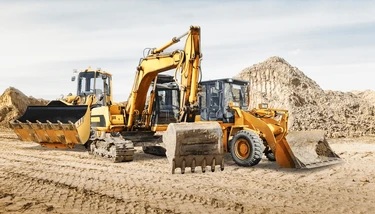
We worked with European Tier-1 for Electronics Power Steering & Vehicle Control unit as per IEC 61508 SIL3 / ISO 13849 Ple for end to end concept to certification support for their heavy machinery application
VerveTronics Role:
- Support for end to end IEC 61508 SIL3 | ISO 13849 Ple compliance and certification
- Safety/Technical Concept and specifications ,
- Safety Analysis for System (HARA), Hardware(FMEDA), Software(FMEA) and Mechanical (FMEA)
- Safety Compliant Hardware Specifications and Assessment
- Hardware Design and development
- Safety Compliant Software Specifications, Validation and Assessment
- SIL3 Process Development and Improvements
- Safety Assessment and Certifications
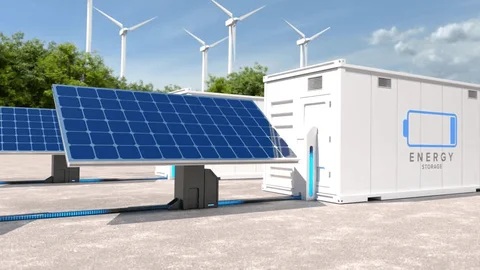
We successfully contributed in development for a leading Tier-1 supplier in US BESS Energy Storage Electronics and Battery Management System according to IEC 61508/ ISO 13849 SIL3 rating
VerveTronics Role:
- Support for end to end EC 61508/ ISO 13849 SIL3 compliance
- Safety/Technical Concept and specifications ,
- Safety Analysis for Hardware(FMEDA), Software (FMEA) and Mechanical (FMEA)
- Safety Compliant Hardware Specifications and Assessment
- Safety Compliant Software Specifications and Assessment
- SIL-3 Process Development and Improvements
- Safety Assessment
Robotics_Functional_Safety
We worked with a leading Tier-1 supplier in Europe to develop Wireless Remote Control for Robotics according to IEC 61508/ISO 13949 SIL3 rating
VerveTronics Role:
- Safety/Technical Concept and specifications ,
- Safety Analysis for Hardware(FMEDA), Software (FMEA) and Mechanical (FMEA)
- Safety Compliant Hardware Specifications, Development and Assessment
- Safety Compliant Software Specifications, Development and Assessment
- Safety Assessment.
ISO 13849 Safety Lifecycle
Our ISO 13849 engineering approach follows a structured path from machine risk through validated safety functions.
Machine & Application Definition Understand: Machine functions , Operating modes, Intended use, Reasonably foreseeable misuse, Operators, Maintenance personnel, Production environment, Interfaces with other machinery Risk Assessment Identify: Hazards, Hazardous situations, Severity, Frequency/exposure, Possibility of avoidance, Risk reduction measures Safety Function Definition Define functions such as: Emergency stop, Guard monitoring, Protective stop, Safe speed, Safe position ,Two-hand control , Light curtain monitoring, Safety scanner monitoring, Anti-restart, Safe motion Required Performance Level Determine: PLr based on the applicable risk reduction requirement. Safety Architecture Select an appropriate architecture considering: Category, Redundancy, Diagnostics, MTTFd, DCavg, CCF Implementation Implement: Safety sensors , Safety PLC ,Safety relays ,Safety I/O ,Contactors ,Drives, Actuators, Safety communication Verification Verify: Architecture , MTTFd , DCavg , CCF, Diagnostic behavior, Safety function response Validation Validate the complete safety function under: Normal operation, Fault conditions, Emergency conditions , Maintenance conditions, Reset/restart conditions Technical Documentation Prepare: Risk assessment, Safety requirements, Safety architecture, PL calculations, Safety analysis, Verification evidence, Validation evidence, Compliance documentation
ISO 13849 Risk Assessment & Risk Reduction Risk assessment is the starting point for machinery Functional Safety. VerveTronics supports structured machinery risk assessment considering the complete machine and its operating environment.We evaluate: Machine hazards, Mechanical hazards, Electrical hazards, Pneumatic hazards, Hydraulic hazards, Thermal hazards, Stored energy, Moving parts, Unexpected movement, Maintenance activities, Setup and teaching, Troubleshooting, Manual intervention, Abnormal operating conditions The risk assessment is then used to determine appropriate protective measures and safety functions. The objective is to ensure that the required level of risk reduction is translated into measurable safety requirements.
ISO 13849 Safety Function Engineering
A machine may require multiple safety functions.
Typical examples include:
Emergency Stop : Initiate the required stop function during an emergency.
Guard Interlocking : Prevent hazardous machine operation when a protective guard is open.
Light Curtain Monitoring : Detect personnel entering a hazardous area and initiate the appropriate safety response.
Safety Scanner Monitoring : Monitor a defined protective field and initiate a safety function when an intrusion occurs.
Two-Hand Control : Require coordinated operator input before initiating hazardous machine motion.
Anti-Restart :Prevent automatic restart after a safety function has been activated.
Safe Speed : Limit machine movement to a defined safe speed during specific operating modes.
Safe Position :Prevent or limit hazardous movement beyond defined positions.
Protective Stop : Bring the machine to a defined safe state when a hazardous condition is detected.
For every safety function, we help establish the appropriate:
Input → Logic → Output → Diagnostic → Fault Reaction → Validation
Required Performance Level — PLr One of the most important activities in ISO 13849 is determining the required Performance Level (PLr) for each safety function. PLr represents the level of performance required from the safety-related control system to achieve the necessary risk reduction. VerveTronics supports PLr determination based on the applicable machinery risk assessment and safety requirements. Each safety function should be considered individually because different functions on the same machine can have different risk-reduction requirements. Examples may include: Emergency stop, Guard interlocking, Protective stop, Safe speed, Safe position, Two-hand control, Anti-restart The resulting PLr becomes a key input to the safety architecture and verification process.
ISO 13849 Categories ISO 13849 defines architectural Categories for safety-related control systems.
VerveTronics supports architecture analysis for:
Category B : Basic safety principles with defined behavior under faults.
Category 1 : Use of well-tried components and safety principles.
Category 2: Periodic testing and diagnostic measures.
Category 3 : Redundant architecture designed so that a single fault does not lead to loss of the safety function, subject to the applicable requirements.
Category 4 : Redundancy and high diagnostic capability designed to maintain the safety function under specified fault conditions. The appropriate architecture depends on the required risk reduction, PLr and the overall system design.
Category should not be selected simply because a higher category appears safer; it should be engineered against the safety requirement and the complete architecture.
MTTFd Analysis Mean Time to Dangerous Failure (MTTFd) is an important parameter in ISO 13849 quantitative analysis. VerveTronics supports MTTFd analysis for safety-related components and subsystems including: Sensors, Safety switches, Controllers, Safety PLCs, Relays, Contactors, Drives, Actuators, Motors, Valves, Safety I/O We evaluate applicable component failure data and architectural implementation to establish the required MTTFd characteristics. Where appropriate, we can also support component-level failure analysis and data review.
ISO 13849 Performance Level — PL After determining PLr, the implemented safety-related control system needs to demonstrate an achieved Performance Level appropriate to the safety requirement. The analysis considers factors including: Architecture / Category, MTTFd, DCavg, Common Cause Failure, Diagnostic mechanisms, Component reliability, Fault behavior The fundamental engineering objective is: Achieved PL ≥ Required PLr VerveTronics supports the engineering analysis and evidence required to demonstrate this relationship.
ISO 13849 Software & Safety PLC Engineering Modern machinery increasingly depends on programmable safety controllers. VerveTronics supports: Safety PLC requirements, Safety logic architecture, Safety-related software, Diagnostic logic, Interlocking logic, Monitoring functions, Fault handling, Safe-state management, Reset/restart logic, Software verification, Functional testing, Requirements traceability, Examples include safety logic for: Guard doors, Emergency stops, Light curtains, Safety scanners, Safe speed, Safe position, Two-hand controls, Protective stops
Diagnostic Coverage — DCavg Diagnostic coverage evaluates the effectiveness of diagnostics in detecting dangerous failures. VerveTronics supports analysis of: Fault detection, Diagnostic mechanisms, Test coverage, Monitoring, Cross-monitoring, Plausibility checks, Feedback monitoring, Output diagnostics, Sensor diagnostics, Controller diagnostics The objective is to establish whether the implemented diagnostic mechanisms provide sufficient coverage for the safety function.
Common Cause Failure — CCF Redundancy alone does not guarantee safety. Two redundant channels can potentially fail because of the same underlying cause. VerveTronics supports Common Cause Failure analysis considering factors such as: Environmental influences, Electrical disturbances, Temperature, EMC, Power supply dependencies, Shared components, Shared software, Common communication paths, Common design weaknesses, Installation factors CCF analysis is particularly important for Category 3 and Category 4 architectures.
SISTEMA Analysis & ISO 13849 Verification SISTEMA is widely used in machinery Functional Safety engineering to model safety-related control systems and evaluate Performance Level characteristics. VerveTronics can support SISTEMA-based engineering activities including: Safety function modeling, Subsystem architecture, MTTFd, DCavg, Category, CCF, Achieved Performance Level, PLr comparison, Documentation of safety calculations SISTEMA should be used as an engineering analysis tool rather than simply as a compliance calculator. The underlying architecture, component assumptions, diagnostic mechanisms and safety function need to be technically justified.
ISO 13849 Hardware Safety Engineering Safety-related control systems can contain: Safety sensors, Emergency-stop devices, Guard switches, Safety scanners, Light curtains, Safety PLCs, Safety relays, Safety I/O, Contactors, Drives, Motors, Valves, Actuators VerveTronics supports: Hardware safety requirements, Safety architecture, Component analysis, FMEA, Failure mode analysis, Diagnostic analysis, MTTFd analysis, DCavg analysis, CCF analysis, Fault injection, Safety verification We can also support safety-oriented hardware design and development where the customer requires engineering beyond analysis.
FMEA, FTA & Safety Analysis Safety analysis provides the technical basis for understanding failure behavior. FMEA : We analyse Function tree, Failure modes, Effects, Detection mechanisms, Safety consequences, Fault reactions, Fault Tree Analysis : FTA can be used to investigate combinations of failures that could result in loss of a safety function or hazardous machine behavior. Hardware Safety Analysis : We analyze sensors, controllers, actuators, power supplies and other safety-related hardware. Software Safety Analysis : We evaluate safety-related software functions, diagnostics and fault handling. Where applicable, we can also integrate quantitative hardware safety analysis with the broader ISO 13849 assessment.
ISO 13849 Verification & Validation Safety verification and validation are essential to demonstrate that the implemented safety functions achieve their intended performance. VerveTronics supports: Requirements Verification : Safety requirement review, Completeness, Consistency, Traceability, Testability, Architecture Verification : Category, MTTFd, DCavg, CCF, Diagnostic mechanisms, Redundancy Safety Function Testing: Emergency stop, Guard opening, Scanner activation, Light curtain interruption, Safe speed, Protective stop, Restart prevention Fault Testing: Sensor faults, Controller faults, Communication faults, Output faults, Power supply faults, Actuator faults Validation :Validation evaluates the complete machine and safety functions under representative operating conditions.
ISO 13849 Machinery Safety Assessment & Certification Support VerveTronics can support organizations preparing machinery products and safety-related control systems for independent review or certification. Our services can include: ISO 13849 gap assessment, Machinery risk assessment review, Safety function review, PLr analysis, Architecture review, SISTEMA analysis, MTTFd analysis, DCavg analysis, CCF analysis, FMEA / FTA, Safety validation, Technical documentation, Compliance matrix, Assessment evidence, Corrective action support, Certification preparation
Where independent certification or conformity assessment is required, the formal assessment/certification is performed by the applicable independent or authorized organization.
ISO 13849 Consulting for Machinery & Industrial Automation
Modern machinery combines mechanical systems, electrical equipment, software, sensors, drives and automated control.
A failure in a control system can result in: Unexpected machine movement, Crushing, Cutting, Shearing, Entanglement, Impact, Loss of braking, Loss of stopping function, Unexpected restart, Loss of protective functions
ISO 13849 provides a framework for designing and evaluating the safety-related parts of control systems used to reduce these risks.
VerveTronics helps customers translate machinery hazards into engineered safety functions and validated safety-related control systems.
Our engineering approach connects: Risk Assessment → Safety Function → PLr → Architecture → MTTFd → DCavg → CCF → PL → Verification → Validation
Robotics & ISO 13849 Functional Safety
Industrial robots and robotic cells frequently require safety-related control systems in addition to the robot’s own internal safety functions. VerveTronics supports ISO 13849 engineering for: Industrial robots, Robot cells, AMRs, AGVs, Collaborative robot applications, Automated manufacturing, Material handling, Machine tending, Welding cells, Assembly systems. Potential safety functions include: Emergency stop, Guard interlocking, Protective stop, Safety scanner, Light curtain, Safe speed, Safe position, Safe motion, Anti-restart. For robotics applications, ISO 13849 can be considered alongside applicable robotics and machinery standards, including ISO 10218 and other relevant requirements.
Machinery Functional Safety for Industrial Automation
VerveTronics supports safety engineering for automated machinery such as: CNC machines, Machine tools, Presses, Packaging machines, Conveyors, Assembly machines, Material handling equipment, Manufacturing lines, Automated inspection equipment, Industrial automation systems, Special-purpose machinery. Our engineers can support safety from the individual machine through integrated production systems.
ISO 13849 for AMR & AGV Safety
Autonomous Mobile Robots and Automated Guided Vehicles introduce additional challenges because the machine operates within dynamic environments. Safety functions may include: Personnel detection, Protective stopping, Speed limitation, Emergency stop, Obstacle detection, Safety-rated monitoring, Safe docking, Charging safety, Restricted-zone monitoring. VerveTronics can support safety-related control system engineering for mobile robotic applications while considering the applicable machinery and mobile-robot requirements.
Our ISO 13849 Engineering Approach
- Risk-Based : We begin with the machine hazards and required risk reduction.
- Function-Based: We define safety functions rather than simply selecting safety components.
- Architecture-Driven: We select and evaluate the appropriate architecture against the required Performance Level.
- Quantitative: We use relevant parameters including: MTTFd + DCavg + CCF + Category → Achieved PL
- Validation-Focused : We verify that the actual machine performs the required safety functions under normal and fault conditions.
- Evidence-Based: We establish traceability between:
- Risk → Safety Function → PLr → Architecture → Analysis → Implementation → Verification → Validation
- ISO 13849 Consulting Engagement Models
- Fixed-Scope Safety Assessment
- Suitable for: Machinery risk assessment review, PLr review, SISTEMA review, Safety architecture review, Safety validation review, ISO 13849 gap assessment,
- Engineering Work Package
- VerveTronics takes ownership of defined safety engineering activities such as: Risk assessment, Safety functions, PLr, Safety architecture, FMEA, FTA, MTTFd, DCavg, CCF, SISTEMA, Safety validation
- Dedicated Safety Engineering Team
- A dedicated team can support machine development programs throughout the safety lifecycle.
- Potential roles include: Functional Safety Manager, Machinery Safety Engineer, System Safety Engineer, Hardware Safety Engineer, Software Safety Engineer, Verification Engineer
- Expert Advisory
- Senior Functional Safety specialists support: Safety architecture, Risk assessment, PL/SIL decisions, Design reviews, SISTEMA analysis, Assessment preparation
- Managed Machinery Safety Program
- VerveTronics can manage multiple safety workstreams including planning, analysis, engineering, verification, validation and assessment readiness.
- What is ISO 13849? – ISO 13849 is a machinery safety standard that provides principles and methodologies for designing and evaluating safety-related parts of control systems.
- What is ISO 13849 consulting- ISO 13849 consulting helps machinery manufacturers, OEMs, integrators and industrial organizations perform risk assessment, define safety functions, determine PLr, design safety-related control systems and verify and validate the achieved Performance Level.
- What is PLr? – PLr means Required Performance Level. It represents the required level of performance for a safety-related control system based on the required risk reduction.
- What is PL d? – PL d is one of the Performance Levels defined by ISO 13849. The achieved PL depends on factors including architecture, MTTFd, diagnostic coverage and common-cause failure considerations.
- What is PL e? – PL e represents a higher Performance Level than PL d and requires an appropriately engineered safety-related control system architecture and supporting analysis.
- What is MTTFd? – MTTFd is the mean time to dangerous failure used as one of the parameters in ISO 13849 analysis.
- What is DCavg? – DCavg is the average diagnostic coverage used in evaluating the effectiveness of diagnostics in the safety-related control system.
- What is CCF? – CCF means Common Cause Failure. It addresses the possibility that multiple redundant channels or safety mechanisms could be affected by a common underlying cause.
- What is SISTEMA? – SISTEMA is an engineering tool used to support calculation and evaluation of Performance Level characteristics for safety-related control systems according to ISO 13849.
- Is ISO 13849 the same as IEC 61508? – No. ISO 13849 is specifically oriented toward safety-related parts of control systems for machinery, while IEC 61508 is a broader Functional Safety standard for electrical/electronic/programmable electronic safety-related systems.
- Is SIL the same as PL? – No. SIL and PL are different safety integrity/performance concepts defined by different standards. They should not be treated as interchangeable values.
- Can VerveTronics support PL d and PL e? – Yes. VerveTronics provides ISO 13849 Functional Safety engineering, analysis, verification and validation support for safety-related control systems targeting Performance Levels such as PL d and PL e, subject to the project scope.
- Can VerveTronics provide ISO 13849 certification? – VerveTronics provides ISO 13849 consulting, engineering, compliance and certification/assessment preparation support. Where independent certification or conformity assessment is required, this is performed by the applicable independent or authorized organization.
- When should an ISO 13849 consultant be involved? – Ideally, Functional Safety should be considered during machine concept and risk assessment. Early involvement helps prevent costly redesign of safety architecture, controls, guarding and safety functions later in the project.
- ISO 13849 and IEC 62061 — Which One Should You Use? – ISO 13849 and IEC 62061 are both important machinery Functional Safety standards, but they use different approaches.
- ISO 13849 : Primarily uses: Performance Level — PL, Required Performance Level — PLr, Category, MTTFd, DCavg, CCF,
- IEC 62061 : Uses a SIL-based approach for machinery safety-related control systems. The appropriate standard depends on the machinery, safety function, architecture, applicable regulatory requirements and customer requirements. VerveTronics can help organizations determine the appropriate safety engineering methodology rather than treating PL and SIL as interchangeable terms.
- ISO 13849 & IEC 61508 Relationship – IEC 61508 is a foundational Functional Safety standard for electrical/electronic/programmable electronic safety-related systems, while ISO 13849 is specifically focused on safety-related parts of control systems for machinery. In a machinery project, it may be appropriate to use technologies, components or development processes derived from IEC 61508 while demonstrating the required machinery safety performance using ISO 13849. The applicable standards should therefore be determined based on the product, application and regulatory framework.
Robotics Electronics Safety/Security
As robots increasingly operate alongside humans, ensuring their safety, reliability, and interoperability becomes critical. Robotics standards offer a structured approach to achieve these objectives. This blog will explore robotics standards through the lens of why they matter, what they cover, and how they are implemented.